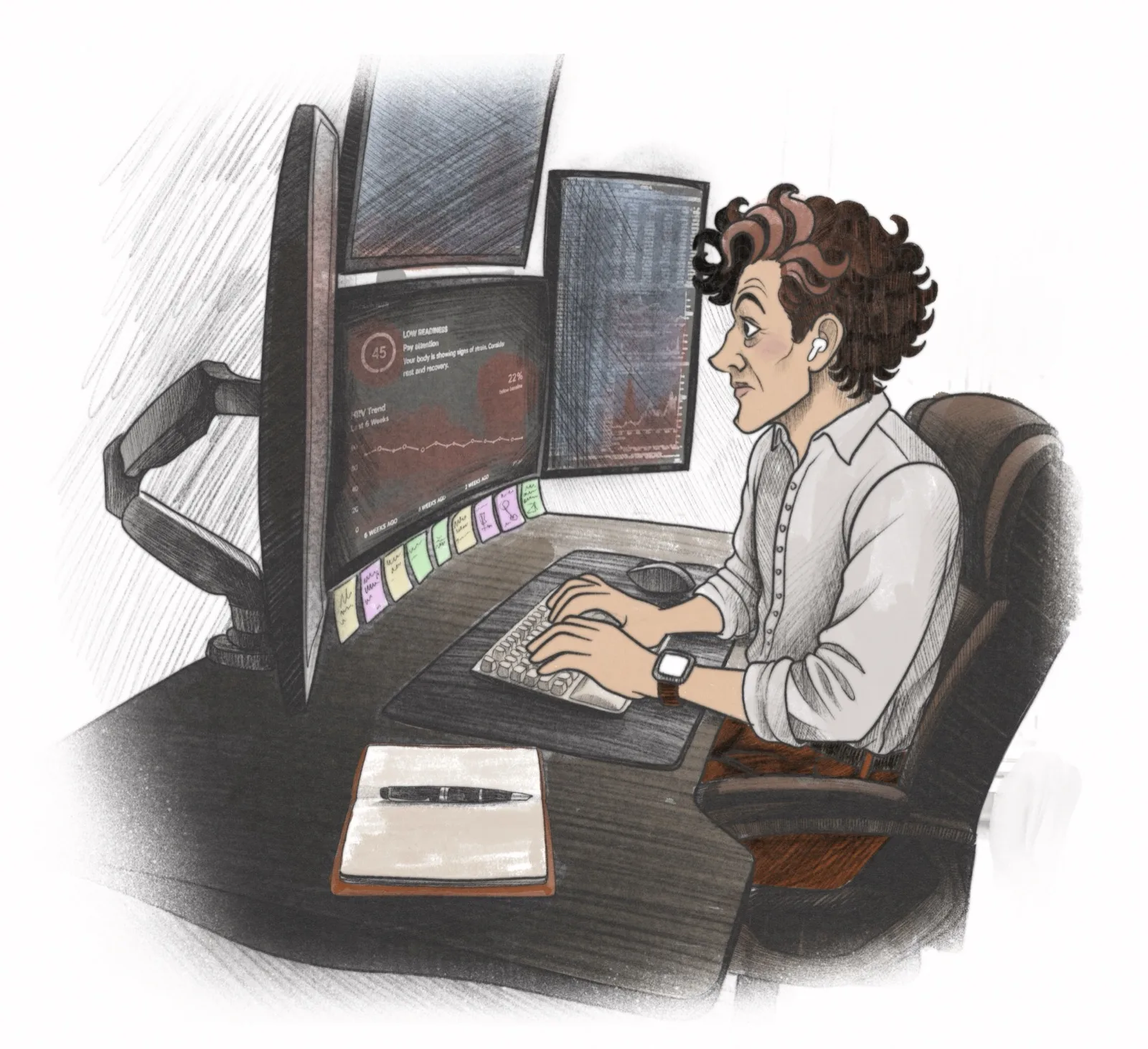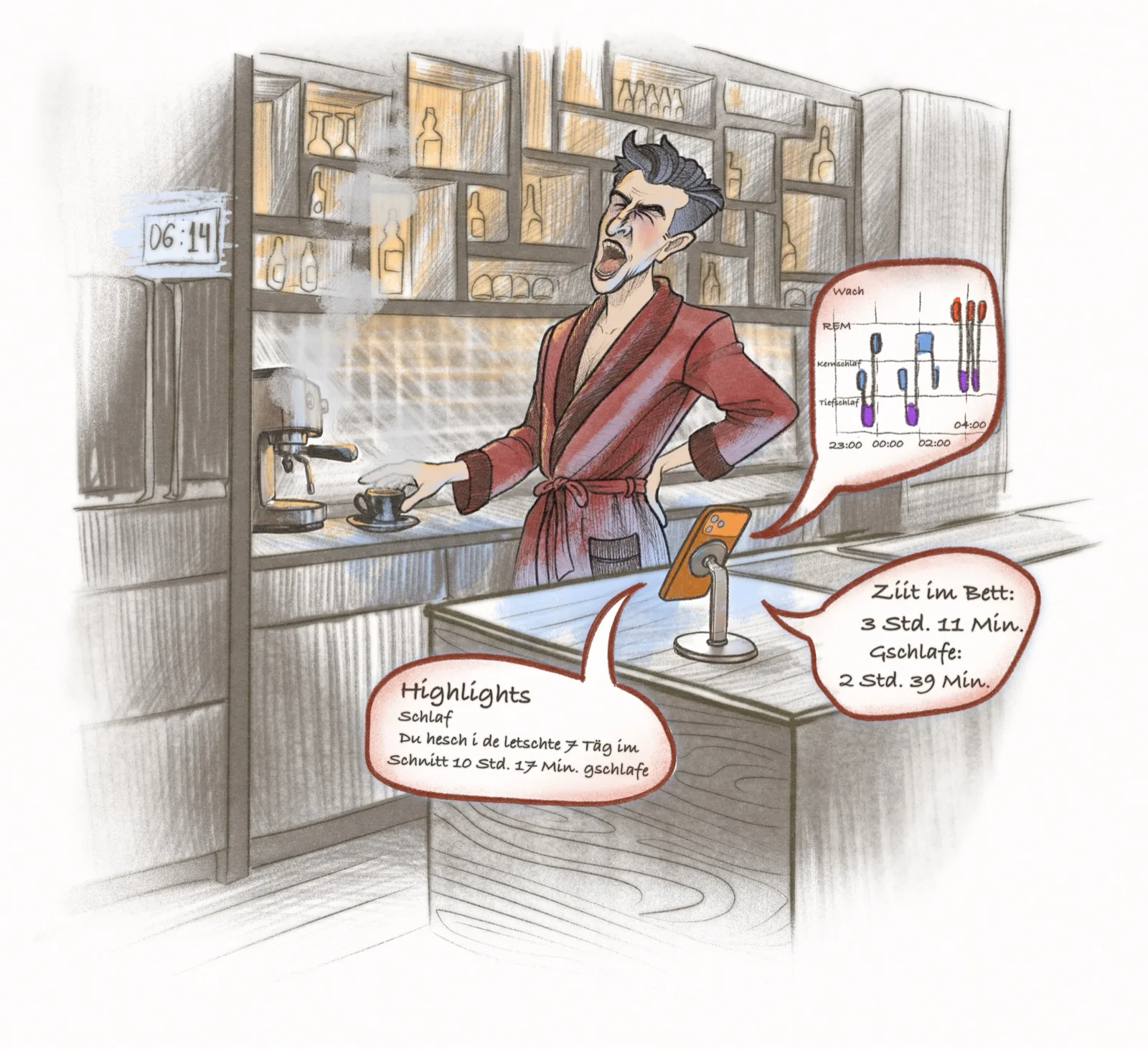
A sudden, stabbing pain in the lower back. A dull, nagging ache that turns everyday life into a burden. Back pain is a universal experience, yet the first reaction is often one of confusion: "Where should I go? To an orthopaedic surgeon? To the emergency department? To a physiotherapist?"
The scientifically sound and, in human terms, wisest answer is this: your first and most important point of contact is your GP.
In modern medicine, the role of the GP (in Switzerland the Hausarzt, a specialist in general and internal medicine) has changed fundamentally. The GP has long since ceased to be a mere referrer or writer of prescriptions. With complex problems such as back pain, your GP is the decisive diagnostician, the strategic coordinator and your personal guide through a health system that is often hard to see through. At DTL we live this role with passion and the highest level of expertise.
Step 1: The fine art of setting the differential-diagnostic course
The first consultation with your GP is the most critical phase of the entire treatment process. It is about far more than the question "Where does it hurt?". It is about in-depth clinical detective work.
Identifying "red flags". Our first priority is to rule out the rare but dangerous causes of back pain. Is it a herniated disc with neurological deficits? Is there an inflammation, a fracture or even a tumour behind it? An experienced internist can reliably recognise these warning signs ("red flags") through targeted history-taking and a thorough physical examination.
The biopsychosocial understanding. The overwhelming majority of back pain is "non-specific", meaning there is no serious structural damage. This is where the real art begins. We look at your spine, and we look at you as a whole person. What is your work situation like? Are there stress factors (so-called "yellow flags") that could encourage the pain to become chronic? How does the pain affect your mental state and your social life? Only this understanding of body, mind and social environment makes effective treatment possible.
Step 2: The GP as your guide. Efficient coordination instead of aimless wandering
As soon as the diagnostic direction is clear, your GP turns into your personal health manager. Your GP knows the network and knows exactly which treatment or which specialist is the right one for you now.
For you at DTL, this means:
Fast access, clear pathways. Instead of waiting months for an appointment, we organise prompt access to imaging (MRI/CT) or to the best specialists in orthopaedics, rheumatology or neurosurgery for you when needed.
The right therapists. We refer with purpose and work with an established network of excellent physiotherapists, chiropractors and rehabilitation centres whose quality we know and whom we trust.
Extended treatment options. We think beyond the obvious. Where needed, our team also coordinates interventional pain therapies (for example CT-guided infiltrations) or complementary treatments such as our in-house TCM/acupuncture.
One point of contact for every thread. The decisive advantage: all the threads come together with us, your GP team. We gather the findings, interpret them in their overall context and draw up a coherent, understandable treatment plan with you. We take the burden of coordination off your shoulders.
Step 3: The long-term partner in preventing chronic pain
Treating back pain does not end once the acute phase subsides. The real challenge is to prevent a recurrence and the transition into a chronic condition.
As "Dein Team fürs Leben", your team for life, we see this as our responsibility. We accompany you over the long term, adjust your medication, motivate you towards an active lifestyle and are there for you immediately at the first signs of a relapse. Our interdisciplinary team of specialist physicians, Physician Associates and Nurse Practitioners ensures continuous care that extends far beyond a single appointment.
Your back deserves more than a quick injection or a standard prescription. It deserves an intelligent strategy.
The way out of pain begins with a conversation. With a physician, Physician Associate or Nurse Practitioner who listens, who understands the connections and who holds all the threads for you.
Do not wait until the pain controls your daily life. Book an appointment with your partner for your health.