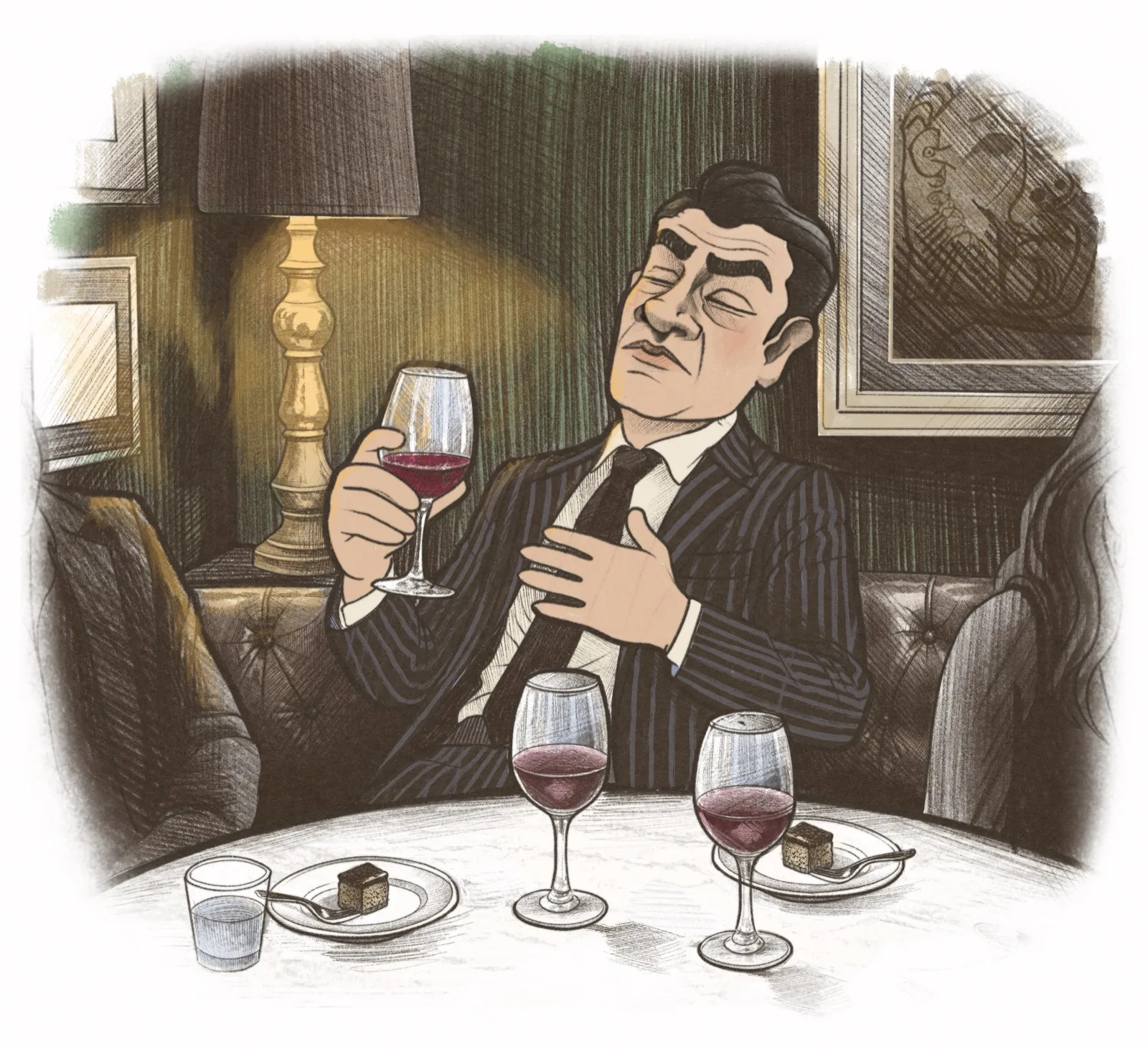
An outpatient polygraphy in your own bed delivers a first result within 24 hours of returning the device, without a referral to an inpatient sleep laboratory. The background: sleep is a highly active regeneration process, vital for the brain, the immune system and the entire metabolism. Chronic sleep disorders, and in particular pauses in breathing during the night, known as sleep apnoea, are far more than an annoying cause of daytime tiredness. From a sleep-medicine and cardiological point of view, they are a risk factor to be taken seriously. Left untreated, the recurring nocturnal lack of oxygen can promote oxidative stress and a sustained activation of the sympathetic nervous system. Sleep apnoea is associated with high blood pressure that is difficult to control (arterial hypertension), cardiac arrhythmias such as atrial fibrillation and an increased risk of stroke [Yeghiazarians Y et al., Circulation 2021; Van Gelder IC et al., Eur Heart J 2024; Hou H et al., J Glob Health 2018; Yaggi HK et al., N Engl J Med 2005].
As a practice with an internal-medicine focus, we regard healthy sleep as the foundation of your vitality. To make the path to a precise diagnosis as easy as possible for you, our practice "Dein Team fürs Leben" offers outpatient sleep diagnostics with specialist evaluation by a recognised Swiss sleep centre, without the strain of a night in an unfamiliar hospital environment.
Our multidisciplinary approach and our specialised physician network
A sleep-medicine assessment calls for a high degree of differentiation, because pauses in breathing during the night can have both mechanical (obstructive) and neurological (central) causes. Our multidisciplinary approach allows us to look at your sleep quality in the context of the whole body. We analyse the interplay between the cardiovascular system, metabolism and respiratory physiology.
To offer you continuous, patient-centred care, we work closely within an established network of specialist physicians. Through this interdisciplinary cooperation with cardiologists, pulmonologists, ENT specialists and certified sleep physicians, we can establish a precise diagnosis, start a therapy tailored to your needs and accompany you over the long term.
Hospital-grade diagnostics, right in your own bed
In cooperation with evismo, we offer you outpatient sleep screening and the diagnosis of obstructive sleep apnoea at home using the RespiFlex system (respiratory polygraphy). You sleep quite normally and relaxed at home in your own bed. In otherwise healthy adults with signs of moderate to severe sleep apnoea, home testing with a suitable device is a recognised alternative to the sleep laboratory according to the guideline of the American Academy of Sleep Medicine; if the result is negative or inconclusive, a polysomnography follows [Kapur VK et al., J Clin Sleep Med 2017].
Your advantages at a glance:
- Comfortable and stress-free: No referral to an inpatient sleep laboratory. You record your parameters in your familiar sleep environment.
- High precision (respiratory polygraphy): The compact, handy device records the parameters relevant to respiratory diagnostics simultaneously overnight: airflow, oxygen saturation, pulse rate, breathing effort of the chest and abdomen, sleep position and snoring sounds.
- Speed through digital connectivity: A first screening report reaches us within 24 hours of the device's return. Where clinically necessary, we receive a complete diagnosis based on the same recording within 3 working days, validated manually by specialised sleep physicians and including a concrete treatment recommendation.
- A mandatory benefit under basic insurance: Where sleep apnoea is strongly suspected, respiratory polygraphy is a mandatory benefit under Annex 1 of the Swiss Health Care Benefits Ordinance (KLV), provided the evaluation is carried out by specialists in pulmonology or ENT certified for this purpose, as in the recognised Swiss sleep centres of our network [KLV, Anhang 1]. As with every mandatory benefit, basic insurance covers the costs after deduction of your annual deductible (Franchise) and the 10 percent co-payment (Selbstbehalt).
When is a sleep-medicine examination advisable?
We recommend a prompt assessment if you or your partner notice one or more of the following symptoms:
- Loud, irregular snoring with audible pauses in breathing (observed apnoeas)
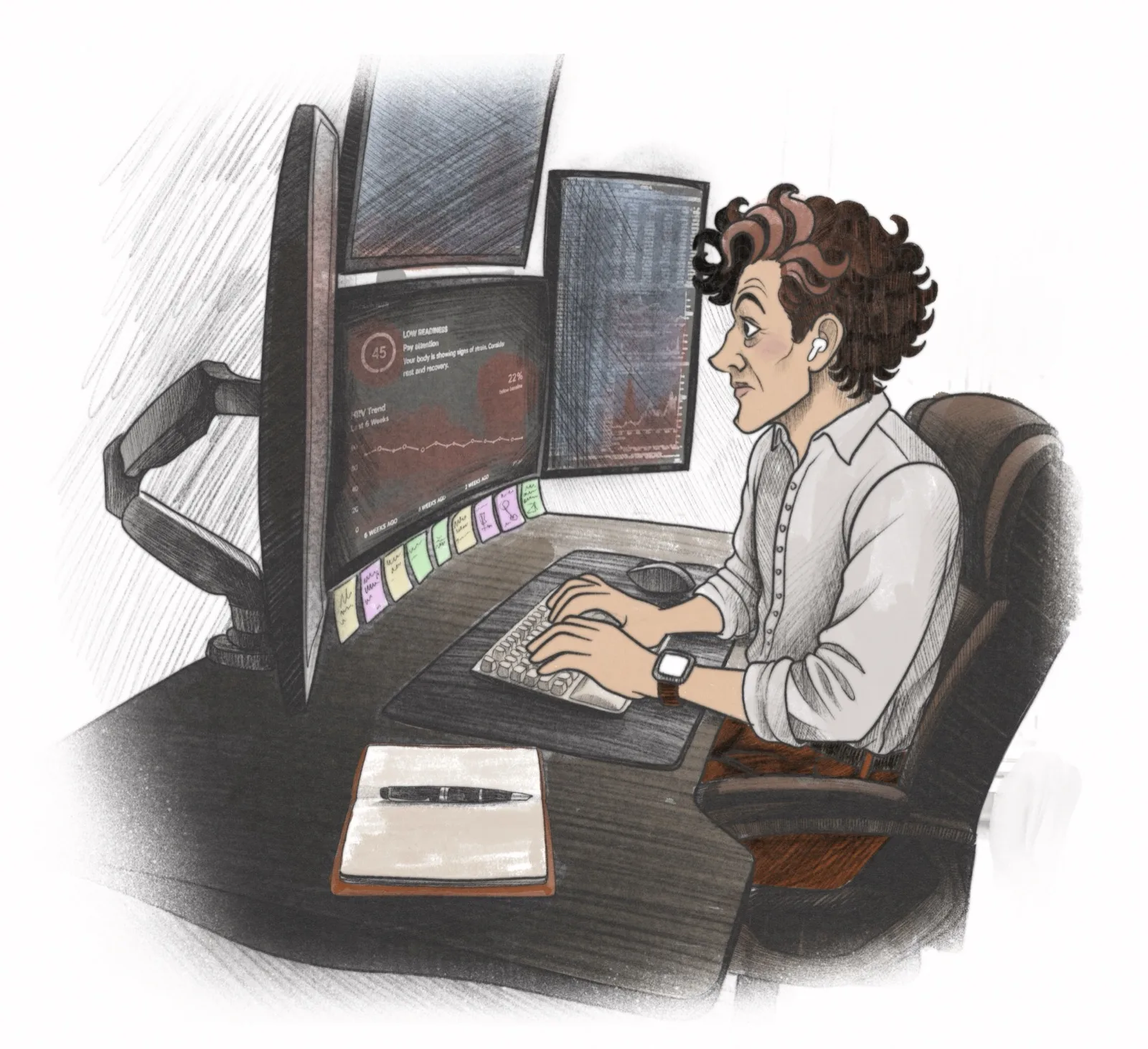
- Pronounced daytime tiredness, exhaustion or difficulty concentrating despite apparently sufficient sleep
- Morning headaches, dry mouth or waking at night with shortness of breath or a racing heart
- Existing risk factors such as excess weight (obesity) or high blood pressure that is difficult to control (hypertension)
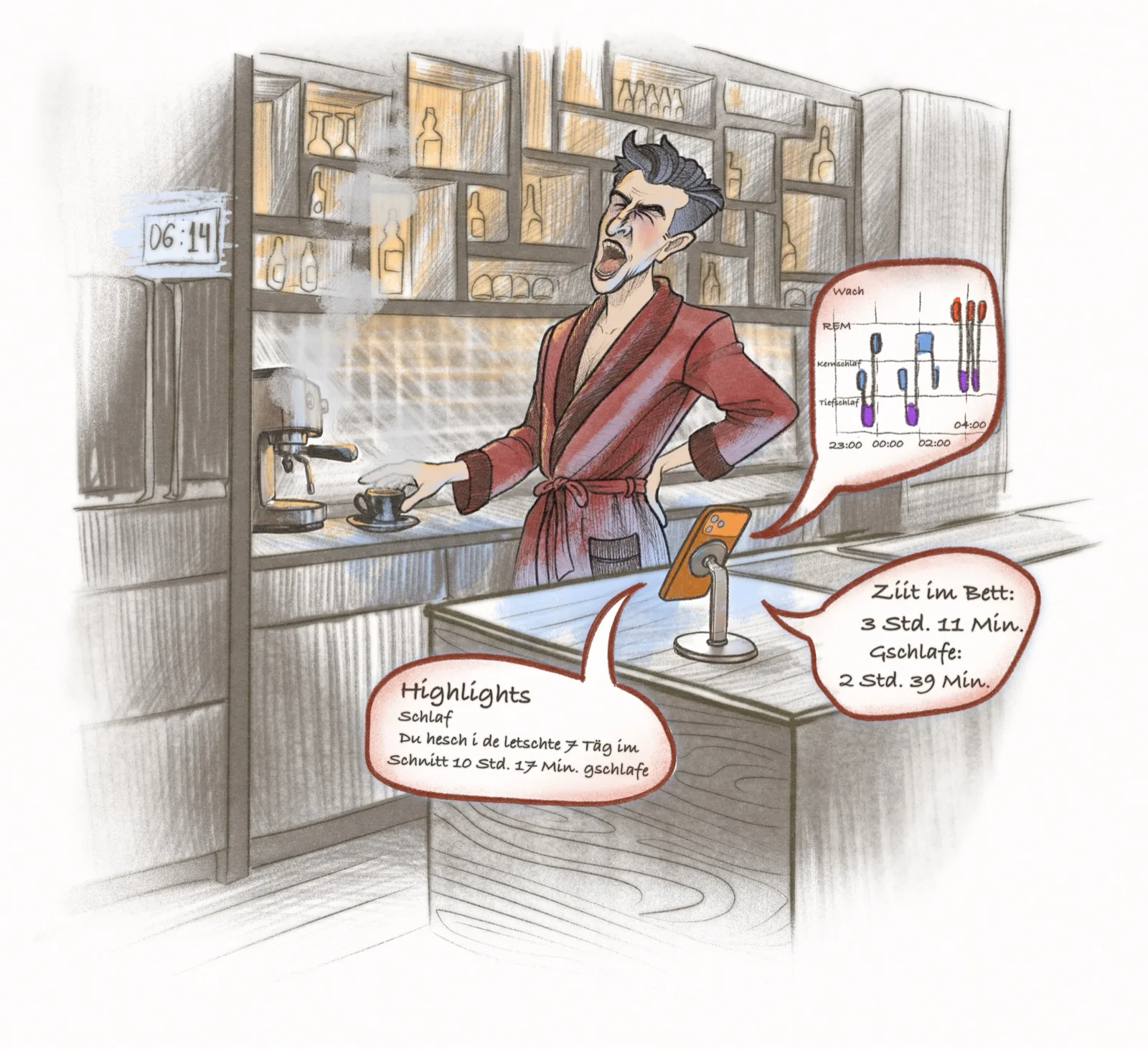
- Abnormal sleep data recorded by wearables (for example an Apple Watch)
With signs of central sleep apnoea, in severe heart or lung disease, after a stroke or under long-term opioid therapy, a polysomnography in a sleep laboratory may still be necessary [Kapur VK et al., J Clin Sleep Med 2017].
How simple the process is at our practice
- Consultation and instruction: If there is reasonable suspicion, we discuss the procedure in detail at our practice. You receive the handy recording device (evismo RespiFlex) and simple, clear instructions from us.
- One night of recording at home: You put the system on before going to bed. The device works silently and, as a rule, barely disturbs your sleep.
- Return and evaluation: The next day you bring the device back to us. We read out the data digitally and, where needed, forward it directly to the evaluating sleep physicians in our network.
- Discussion of results and therapy: As soon as the detailed report is available, we go through the results together. Should the suspicion of sleep apnoea (obstructive, central or mixed) be confirmed, we start the treatment that suits you right away, in close coordination with our network partners (for example fitting CPAP therapy or a mandibular advancement splint).
Good sleep is one of the most important pillars of your health. Do not let pauses in breathing and chronic tiredness weigh on your daily life and your cardiovascular system. Together with our network partners, we accompany you on the way to more restful nights and renewed energy.
Frequently asked questions about sleep diagnostics
Do I have to go to a sleep laboratory for the diagnosis? No. The outpatient screening takes place in your own bed, without a referral to an inpatient setting.
How quickly is a result available? A first screening report is available within 24 hours of the device's return, and a complete validated diagnosis, where needed, within 3 working days.
Does health insurance cover the costs? Where sleep apnoea is strongly suspected, respiratory polygraphy with evaluation by a certified sleep centre is a mandatory benefit under the Swiss Health Care Benefits Ordinance [KLV, Anhang 1]. As with every mandatory benefit, basic insurance covers the costs after deduction of your deductible (Franchise) and the 10 percent co-payment.
Why is untreated sleep apnoea a cardiological issue? Untreated sleep apnoea is linked to an increased risk of high blood pressure, atrial fibrillation and stroke [Yeghiazarians Y et al., Circulation 2021; Van Gelder IC et al., Eur Heart J 2024; Hou H et al., J Glob Health 2018; Yaggi HK et al., N Engl J Med 2005].
What happens if the suspicion of sleep apnoea is confirmed? Together with our network, we start the appropriate therapy, such as fitting CPAP or a mandibular advancement splint.
Written and medically reviewed by Prof. Dr. Craig K. Fritz M.Sc., Titular Professor, Physician Associate, Practice Lead, Dein Team fürs Leben.