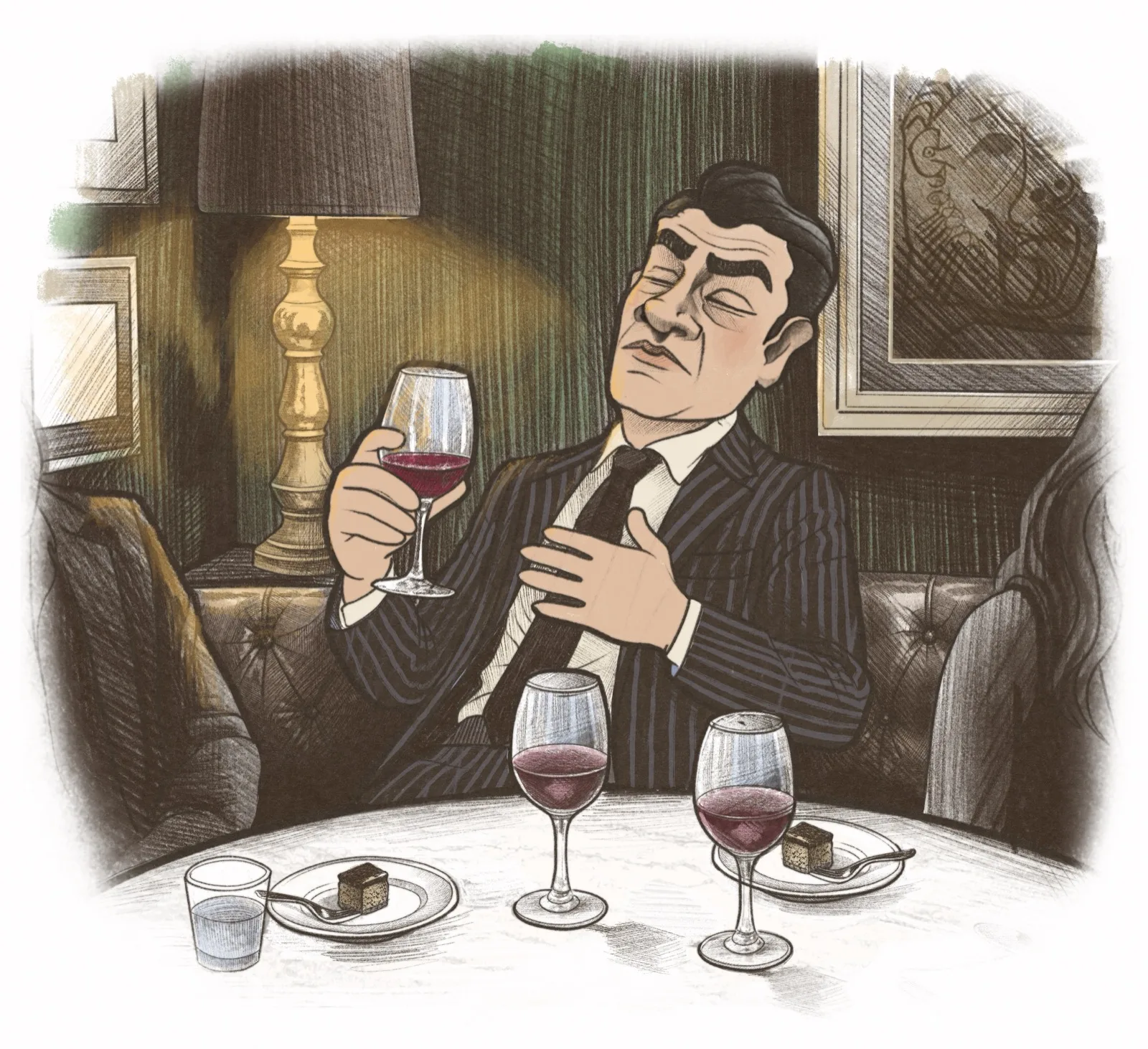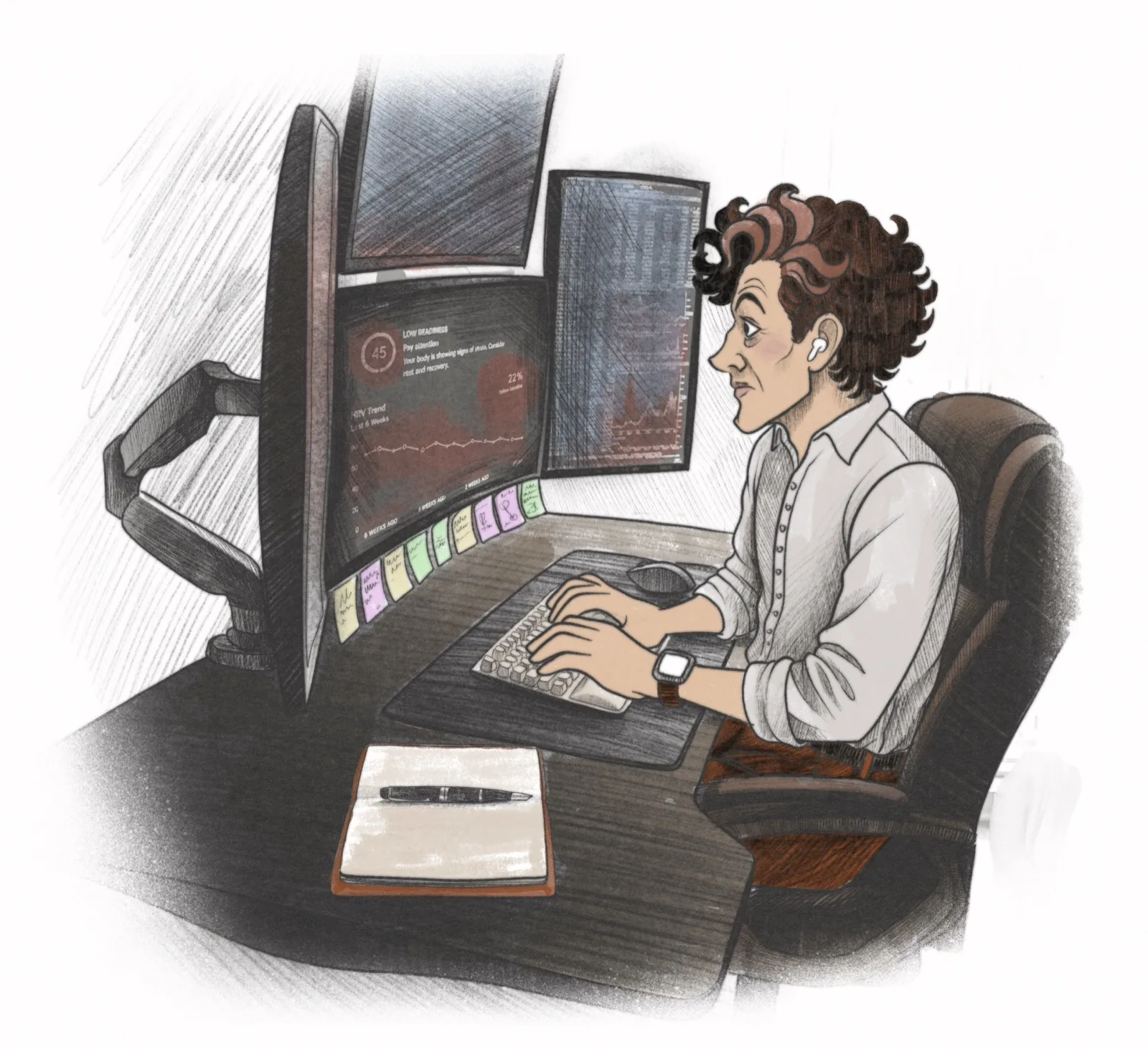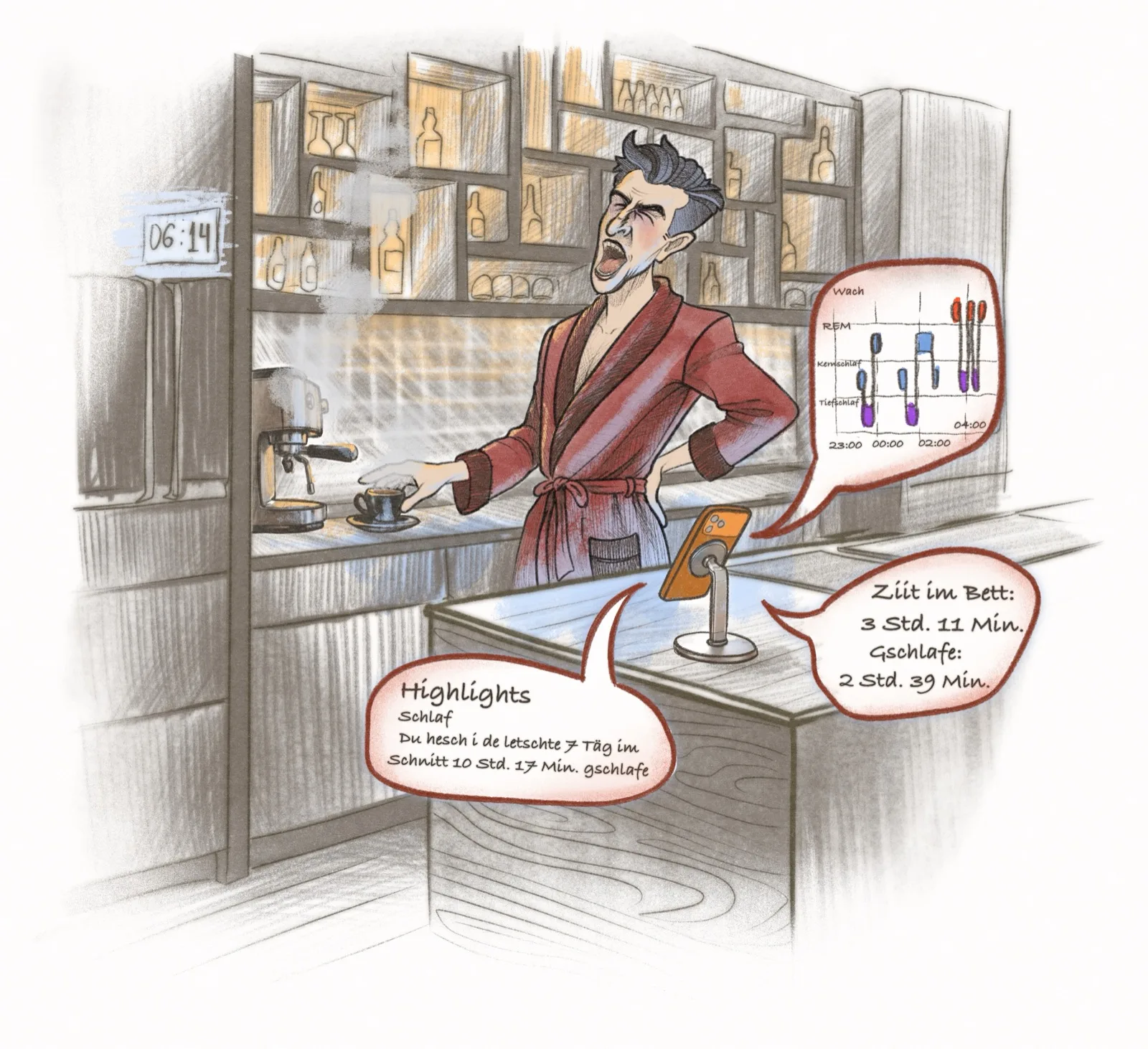
In the Swiss Health Survey 2022, 45 percent of adults reported back or lower back pain in the previous four weeks [BFS 2023]. A significant share of these complaints becomes chronic. Under the scientific definition of the International Association for the Study of Pain, we speak of chronic pain when it lasts longer than three months and develops into a condition in its own right, often detached from the original trigger [Treede et al., Pain 2019].
Modern pain therapy therefore requires far more than reaching for the next painkiller. It is a multimodal process integrating several disciplines, ideally steered from the GP practice. Establishing and refining precisely these coordinated models of care is my focus in Zürich, after international posts in South Africa, the USA, the United Kingdom, Germany and Austria.
What multimodal pain therapy means in the GP practice
Why a pain diagnosis has three axes
Anyone with pain for more than three months knows the pattern. A purely structural examination rarely explains everything. In symptom-free adults over 50, MRI images often show disc changes without any pain. Conversely, patients with severe pain often have normal images. This is why the IASP revised its definition of pain in 2020: pain is an unpleasant sensory and emotional experience that is real even without identifiable tissue damage [Raja et al., Pain 2020]. That is no matter of theory. It decides where treatment starts.
The multimodal consultation therefore works along three diagnostic axes in parallel:
- Somatic axis. What do examination, imaging and laboratory tests show? Which structures are involved (disc, facet joint, nerve, muscle, visceral)? Which internal-medicine differential diagnoses have been ruled out (inflammatory-rheumatic, oncological, neurological)? This is where the GP's responsibility as an internist lies.
- Functional axis. What can you still do, and what not? Which movement patterns have been unlearned, which protective postures have become habitual? This axis is often underestimated and usually belongs with a physiotherapist experienced in pain or a TCM practice offering acupuncture and tuina.
- Psychosomatic axis. What is life like with the pain? What role does sleep play, what role the stress load, what role an accompanying depression? This is where basic psychosomatic care comes in, and where appropriate outpatient behavioural therapy or a pain psychologist.
The diagnosis of chronic pain is only established once all three axes have been assessed. Before that it is a suspected diagnosis, one that invites quick therapies that rarely last.
When pharmacological, when non-pharmacological, when interventional
The question is decided by the specific findings. Three decision rules help in the consultation:
- Non-pharmacological first for non-specific low back pain. For acute and subacute non-specific low back pain, the German National Care Guideline recommends non-drug treatment first: education, movement and no bed rest [NVL Kreuzschmerz, AWMF 2017]. Painkillers supplement this; they do not replace it. Acupuncture reduces pain and improves function in chronic low back pain in direct comparison with usual care [Cherkin et al., Arch Intern Med 2009].
- Opioids only with a stop rule. The LONTS guideline expressly permits long-term opioid therapy for chronic non-cancer pain only in justified indications, with a treatment goal, a review of efficacy after four to twelve weeks and discontinuation if there is no improvement [Häuser et al., Schmerz 2020]. Whoever prescribes opioids also writes down when they will be stopped again. I make this rule explicit in the consultation, in writing, before the first prescription.
- Interventional when the axes converge. CT- or fluoroscopy-guided nerve root infiltration, facet joint infiltration, sympathetic blocks or radiofrequency therapies belong in specialist hands. We refer selectively to interventional radiology, anaesthesiology or neurosurgery once the somatic diagnosis is clear, non-interventional therapy is exhausted and a defined treatment goal can be formulated.
What the consultation does not do: order imaging reflexively for every chronic pain. An MRI without clinical consequence does harm, because it generates findings that are rarely relevant to treatment and often trigger anxiety [NVL Kreuzschmerz, AWMF 2017].
Anyone who applies the biomedical framework reductively and blanks out the psychological, social and behavioural field fails to capture the person's experience of illness.
How the GP practice coordinates physiotherapy, TCM, psychosomatic care and pain intervention
Multimodal therapy rarely fails on a single treatment element. It fails for lack of coordination. At Dein Team the steering runs in four steps:
- A treatment plan on one page. Synthesis of the history, diagnosis according to ICD-11 with the specific MG30 category for chronic pain, treatment goals in measurable terms (sleep, walking distance, ability to work), measures with frequency and responsibility, follow-up appointment after six to eight weeks [Treede et al., Pain 2019].
- Networked referral. Physiotherapy practices with a focus on pain, TCM colleagues with a federal diploma, basic psychosomatic care with experience in behavioural therapy, interventional pain practices at the USZ (University Hospital Zürich), the Schulthess Klinik or Hirslanden. The list is personally curated; nothing on it is there by chance.
- Progress documentation and stop rule. Every block of therapy has an end. If physiotherapy brings no measurable change after eight weeks, we switch modality. If an opioid has not delivered what it should after twelve weeks, we stop it [Häuser et al., Schmerz 2020].
- Interface between internal medicine and pain medicine. My clinical background combines general internal medicine with pain medicine · a profile built in the USA, Austria and the United Kingdom that rarely sits in one pair of hands in Swiss GP practice. This allows a direct assessment of internal-medicine comorbidities (kidney, liver, cardiovascular, gastrointestinal) when selecting pain therapy and reduces duplication.
This coordination is the actual multimodal therapy. The individual building blocks exist elsewhere in Zürich too. What is rare is the GP's hand that holds them together.
When chronic pain belongs with a specialist
Internal-medicine pain treatment in the GP practice has clear limits. Three constellations trigger a referral at Dein Team:
- Red flags in pain diagnostics. Night pain with B symptoms, neurological deficits (loss of strength, bladder or bowel dysfunction), unexplained weight loss, fever, a history of cancer. These findings belong in imaging and specialist hands the same day, in oncology, neurosurgery or rheumatology depending on the result.
- Treatment resistance after three modalities. If patients experience no relevant improvement after three completed cycles of therapy (for example physiotherapy, basic psychosomatic care and one pharmacological line), the situation belongs in a specialised interdisciplinary pain clinic with anaesthesiological, neurological and pain-psychological involvement [Sabatowski & Lutz, Schmerz 2024].
- Complex medication situations. Polypharmacy with five or more long-term medications and a pain component, high opioid doses from previous treatment, mixed regimens with second-line co-analgesics (anticonvulsants, antidepressants, cannabinoids). Here a pain-medicine and internal-medicine second opinion helps, often aiming to simplify the regimen and reduce it step by step. For long-term opioid therapy the LONTS guideline in any case requires regular review of the indication, gradual dose reduction where efficacy is lacking and particular caution in older patients with comorbidities [Häuser et al., Schmerz 2020].
In an editorial in the journal Der Schmerz, Sabatowski and Lutz noted in 2024 that interdisciplinary multimodal pain therapy is regarded as the gold standard in chronic pain care, yet in everyday practice it is still not established as the standard across the board [Sabatowski & Lutz, Schmerz 2024]. The GP practice cannot replace this gold standard. It can open the door to it.
What to bring to the first appointment
Three things make the initial assessment considerably easier:
- A list of diagnoses with dates (what was diagnosed when, and by whom).
- A current medication list, ideally including over-the-counter products, pain patches and cannabinoids.
- Findings from the last two years (imaging, surgical reports, treatment reports from physiotherapy, psychotherapy or acupuncture).
If your file is incomplete, bring what you can find. The history is the most important diagnostic tool. Images come afterwards, and often not first.
Where to read on in this cluster
Pain and chronic wounds share a DTL knowledge area because the treatment principles are similar: somatic, functional, psychosocial, coordinated.
- Chronic wounds with PICO and Kerecis Omega III. Wound therapy as the second pillar of the pain- and tissue-oriented consultation.
- Burnout · first warning signs. Where somatic pain and exhaustion overlap.
- Psychosomatic complaints. Stomach, head, stress · basic psychosomatic care in detail.
- Polypharmacy review in older age. When pain medication is part of a larger regimen.
The cardiology side of chronic pain conditions in older age (heart failure, quality of life, anticoagulation combined with avoiding NSAIDs) sits with the sister hub: Heart failure in older age and quality of life on dth.healthcare.
Frequently asked questions
What is the difference between standard pain treatment and multimodal pain therapy?
Do I need a referral?
Does health insurance cover multimodal pain therapy?
Will I get opioids from you?
What if the examination finds nothing?
How long does multimodal therapy typically take?
Multimodal pain consultation at Dein Team
First contact without a referral. Appointments usually within a week. Bring your list of diagnoses, a current medication list and findings from the last two years. In the event of acute neurological deficits (loss of strength, bladder or bowel dysfunction), dial 144, the Swiss emergency number.
Book an appointment